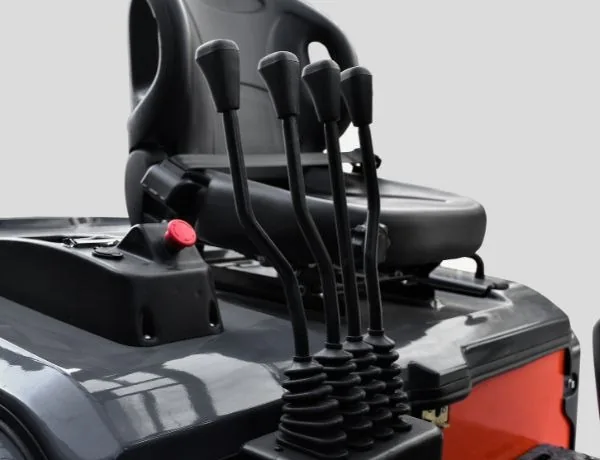
Reliable Daily Performance
Full AC power supports responsive travel and low routine motor maintenance.

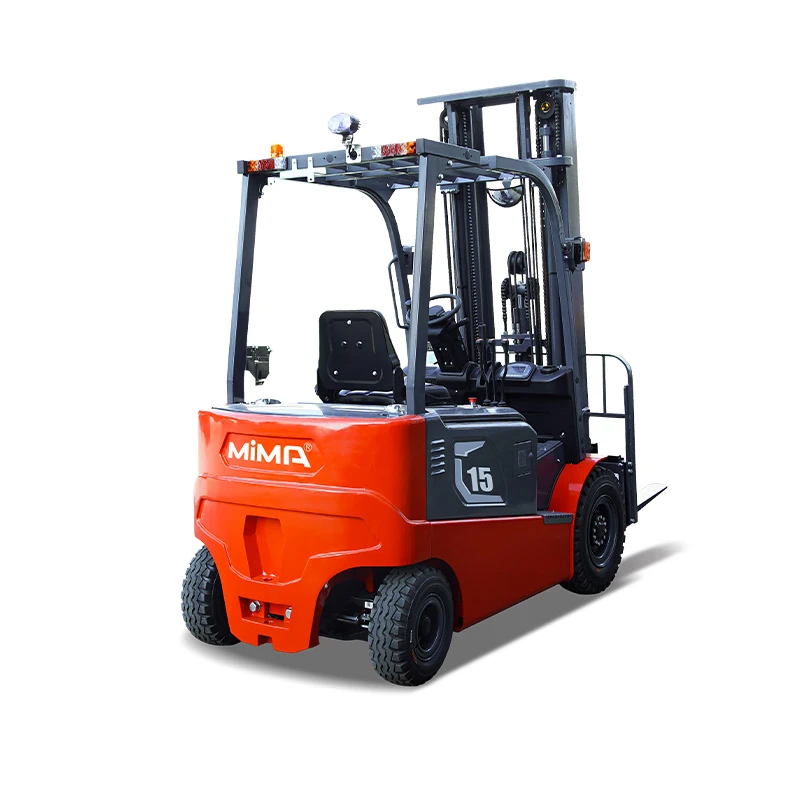
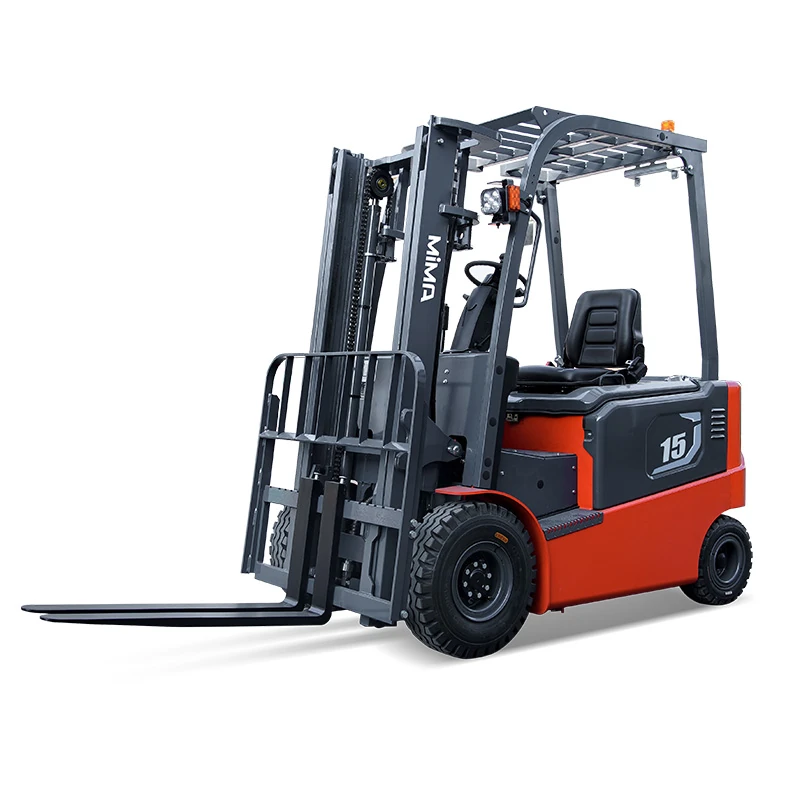
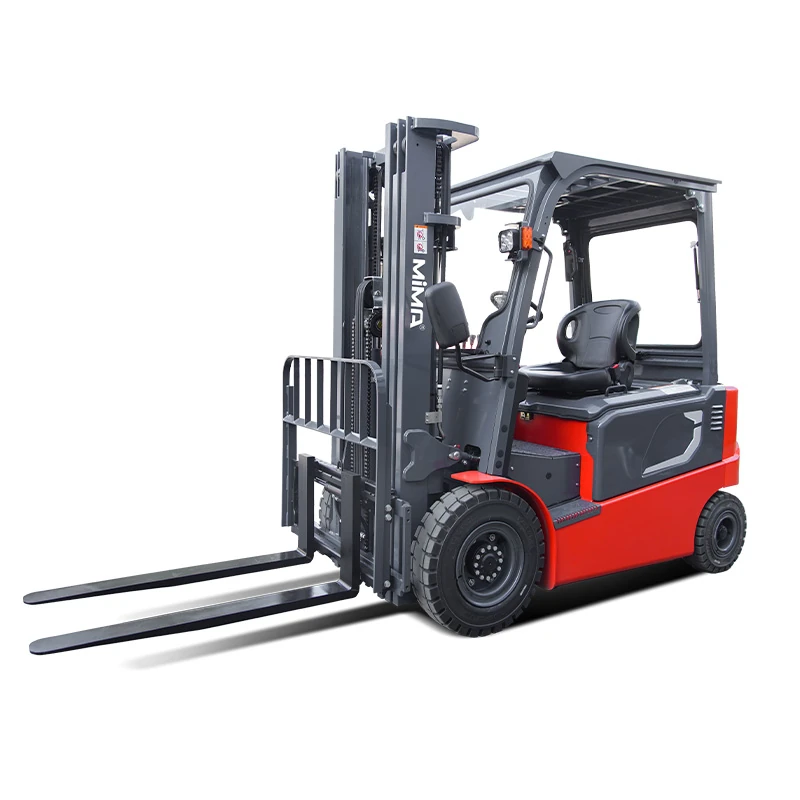
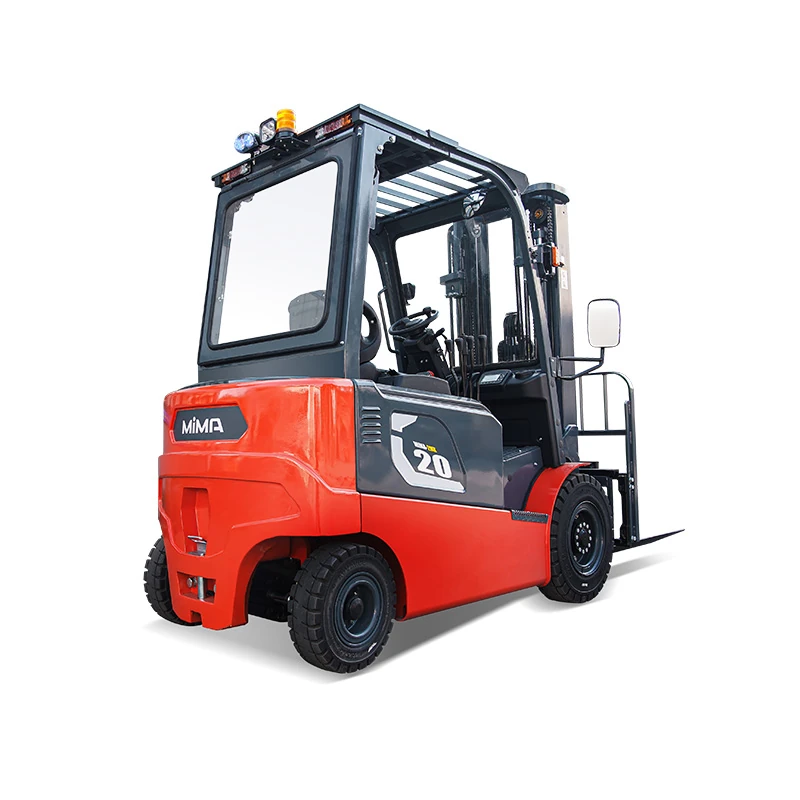
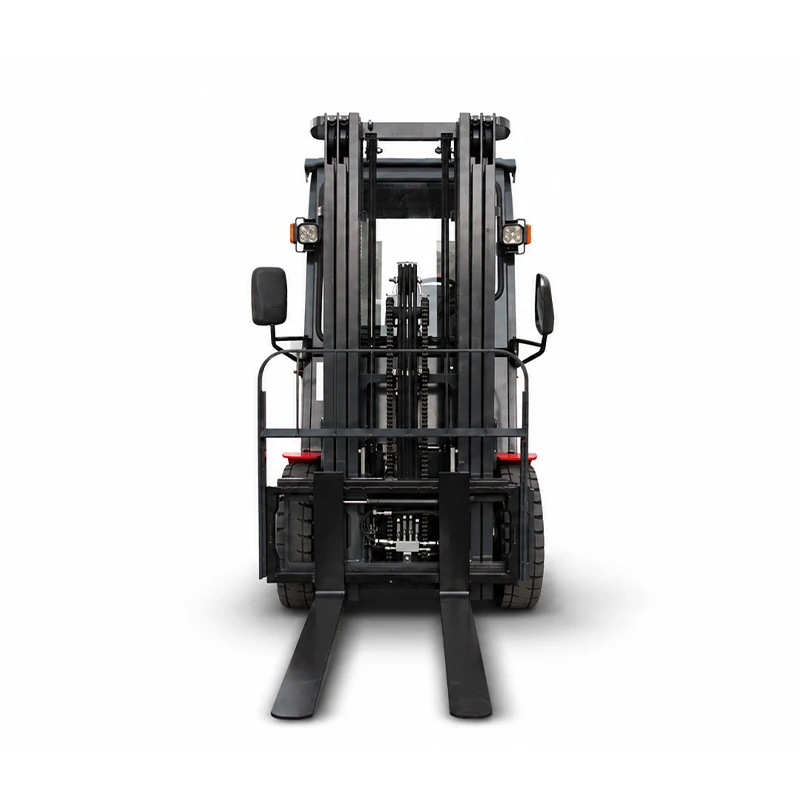
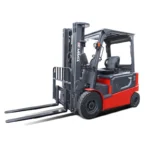
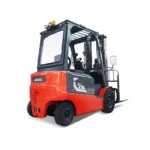
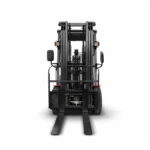
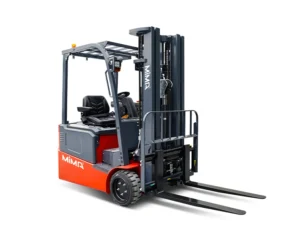
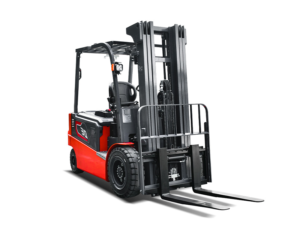
MK15/20 is a versatile four-wheel electric counterbalance forklift range for everyday pallet handling indoors and on suitable outdoor surfaces. With 1,500 or 2,000 kg capacity, lift heights up to 7,000 mm, full AC power and configurable batteries, masts and attachments, it combines reliable performance with practical adaptability across warehouses, factories and loading areas.
Ideal For
Key features designed to support safer, more efficient and more productive material handling.
Full AC power supports responsive travel and low routine motor maintenance.
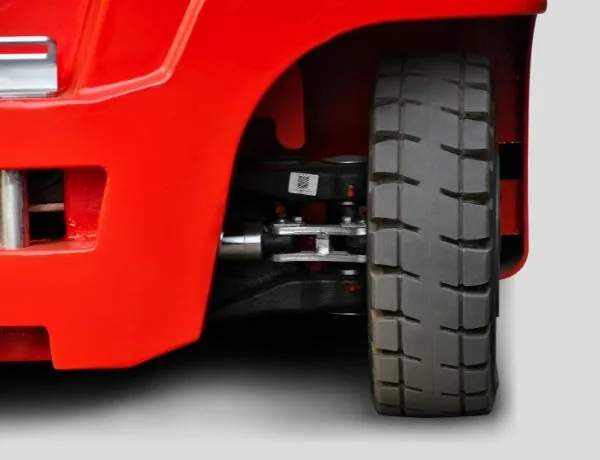
A low-mounted battery supports smooth cornering and controlled load handling.
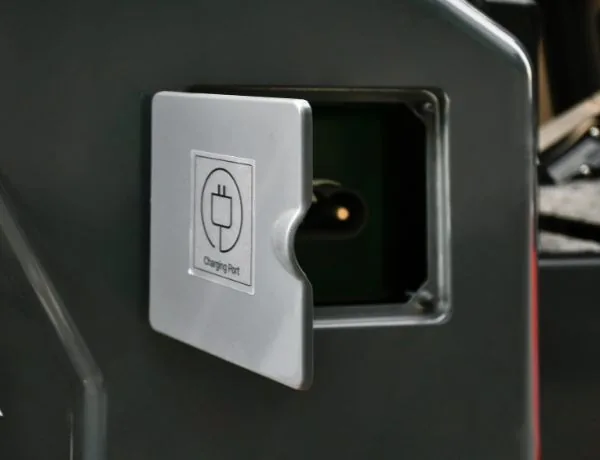
Multiple mast, battery, tyre and attachment options suit different applications.
Compare the available MK15 / MK20 configurations and discuss the required capacity, lift height and operating environment with our team.
| Specification | MK15 | MK20 |
|---|---|---|
| Model | MK15 | MK20 |
| Operation Type | Seated | Seated |
| Load Capacity | 1500kg | 2000kg |
| Lift Height | 2,000–7,000 mm | 2,000–7,000 mm |
| Mast Type | Duplex / Duplex Full Free / Triplex Full Free | Duplex / Duplex Full Free / Triplex Full Free |
| Fork Outside Spread | 200–1,040 mm | 244–1,000 mm |
| Aisle Width | 3,595 mm | 3,754 mm |
| Battery Specification | 48V/400–480Ah lead-acid; lithium options available | 48V/500–600Ah lead-acid; lithium options available |
Electric Forklift for Everyday Handling
The MK15/20 four-wheel electric counterbalance forklift range is designed for pallet transport, loading and stacking across warehouses and manufacturing facilities. Its counterbalanced layout allows loads to be handled without support arms.
Low-centre Four-wheel Design
The battery is positioned low in the chassis to support stability and smooth cornering. The four-wheel layout is suitable for applications combining warehouse aisles, loading areas and longer travel routes.
Full AC Power System
Maintenance-free AC motors provide responsive acceleration and controlled load handling without routine carbon-brush replacement. Regenerative braking recovers energy during deceleration and downhill travel.
Operator Control and Visibility
An adjustable steering column and seat help operators establish a practical driving position. The wide-view mast and multifunction display support visibility, status monitoring and fault diagnosis.
Configurable for Different Applications
Duplex, duplex full-free and triplex full-free masts are available. Battery systems, tyres, cabins, hydraulic circuits, side shift, fork positioners and other attachments can be selected for the application.
Find answers to common questions about MK15 / MK20. For application-specific advice, contact MiMA Australia.